4.7 KiB
Getting Started
Overview
This page shows you how to get up and running quickly with an Nx workspace.
Creating the workspace
You get started with Nx by running a command that uses your package manager to setup your initial workspace.
Using npx
npx create-nx-workspace@latest myworkspace
Using npm init
npm init nx-workspace myworkspace
Using yarn create
yarn create nx-workspace myworkspace
After creating the workspace, change into the newly created workspace directory.
cd myworkspace
Adding to an Existing Angular CLI workspace
If you already have a regular Angular CLI project, you can add Nx power-ups by running:
ng add @nrwl/workspace
Adding Capabilities
If you haven't specified any presets, you will get an empty Nx workspace. There are no applications to build, serve, and test. You can run the following to add capabilities to the workspace:
Using npm
npm install --save-dev @nrwl/angular # Adds Angular capabilities
npm install --save-dev @nrwl/web # Adds Web capabilities
npm install --save-dev @nrwl/react # Adds React capabilities
npm install --save-dev @nrwl/node # Adds Node capabilities
npm install --save-dev @nrwl/express # Adds Express capabilities
npm install --save-dev @nrwl/nest # Adds Nest capabilities
npm install --save-dev @nrwl/next # Adds Next.js capabilities
Using yarn
yarn add --dev @nrwl/react # Adds React capabilities
yarn add --dev @nrwl/web # Adds Web capabilities
yarn add --dev @nrwl/angular # Adds Angular capabilities
yarn add --dev @nrwl/node # Adds Node capabilities
yarn add --dev @nrwl/express # Adds Express capabilities
yarn add --dev @nrwl/nest # Adds Nest capabilities
yarn add --dev @nrwl/next # Adds Next.js capabilities
Using ng add
ng add @nrwl/angular # Adds Angular capabilities
ng add @nrwl/web # Adds Web capabilities
ng add @nrwl/react # Adds React capabilities
ng add @nrwl/node # Adds Node capabilities
ng add @nrwl/express # Adds Express capabilities
ng add @nrwl/nest # Adds Nest capabilities
ng add @nrwl/next # Adds Next.js capabilities
Creating an application
After the capability is added, you can now create your first application via:
ng g @nrwl/angular:application myapp
The following files and folders are generated in the new application:
<workspace name>/
├── apps/
│   ├── myapp/
│   │   ├── src/
│   │   │   ├── app/
│   │   │   ├── assets/
│   │   │   ├── environments/
│   │   │   ├── favicon.ico
│   │   │   ├── index.html
│   │   │   ├── main.ts
│   │   │   ├── polyfills.ts
│   │   │   ├── styles.scss
│   │   │   └── test.ts
│   │   ├── browserslist
│   │   ├── jest.config.js
│   │   ├── tsconfig.app.json
│   │   ├── tsconfig.json
│   │   ├── tsconfig.spec.json
│   │   └── tslint.json
│   └── myapp-e2e/
│       ├── src/
│       │   ├── fixtures/
│       │   │   └── example.json
│       │   ├── integration/
│       │   │   └── app.spec.ts
│       │   ├── plugins/
│       │   │   └── index.ts
│       │   └── support/
│       │       ├── app.po.ts
│       │       ├── commands.ts
│       │       └── index.ts
│       ├── cypress.json
│       ├── tsconfig.e2e.json
│       ├── tsconfig.json
│       └── tslint.json
├── libs/
├── tools/
├── README.md
├── angular.json
├── nx.json
├── package.json
├── tsconfig.json
└── tslint.json
All the files that the Angular CLI would have in a new project are still here, just in a different folder structure which makes it easier to create more applications and libraries in the future.
Serving an Application
To serve the newly generated application, run:
nx serve myapp
When the app is ready, visit http://localhost:4200 in your browser.
That's it! You've created your first application in an Nx workspace. To become more familiar with Nx:
- Go through a complete tutorial on using Nx to build a full-stack application.
Using Angular Console
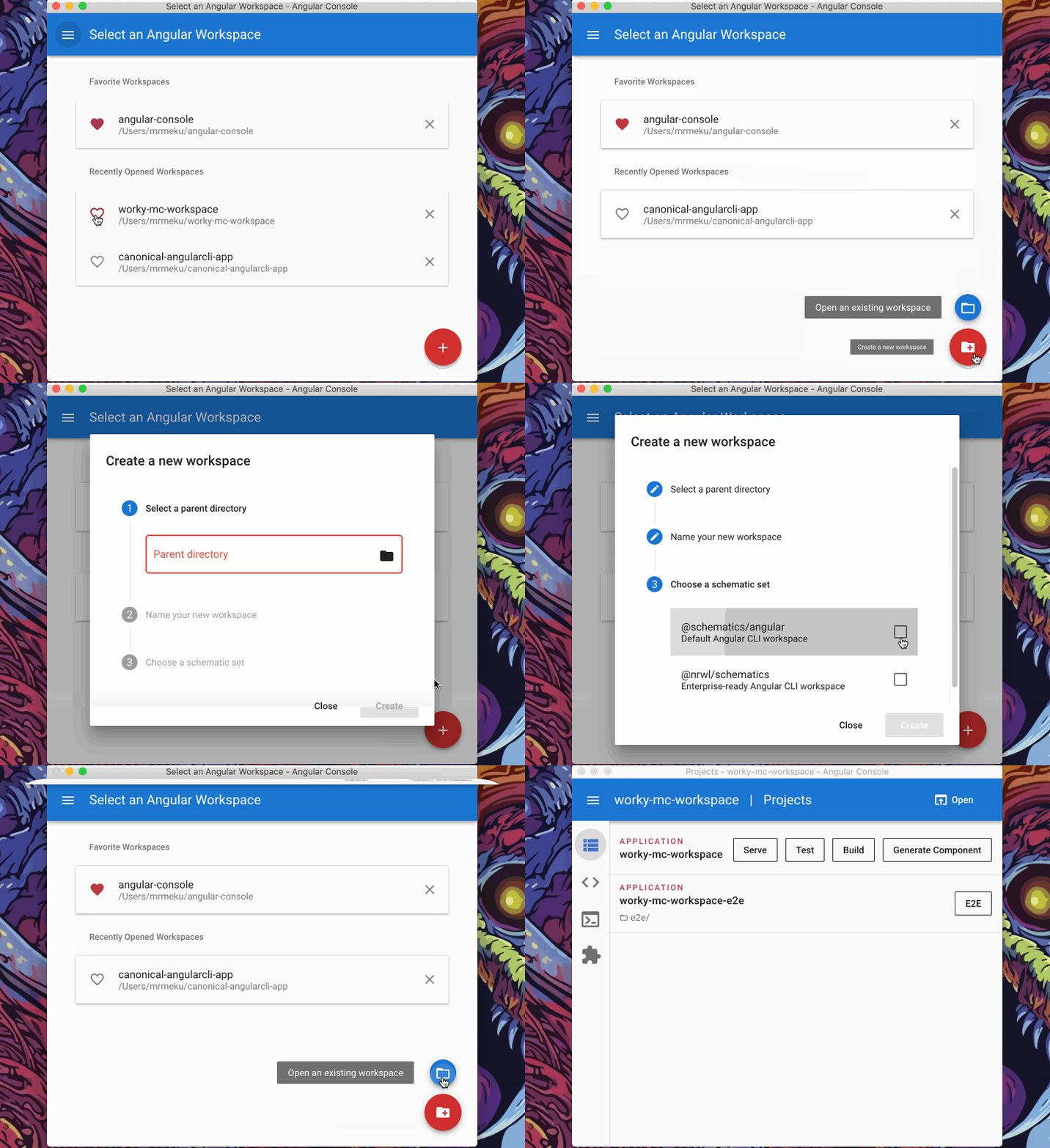
You can also create a new Nx project using Angular Console--UI for the CLI: